If failure really is the mother of success, I'm running a whole kindergarten. Good news: I'm still standing — I trip a lot, but somehow I keep falling forward.
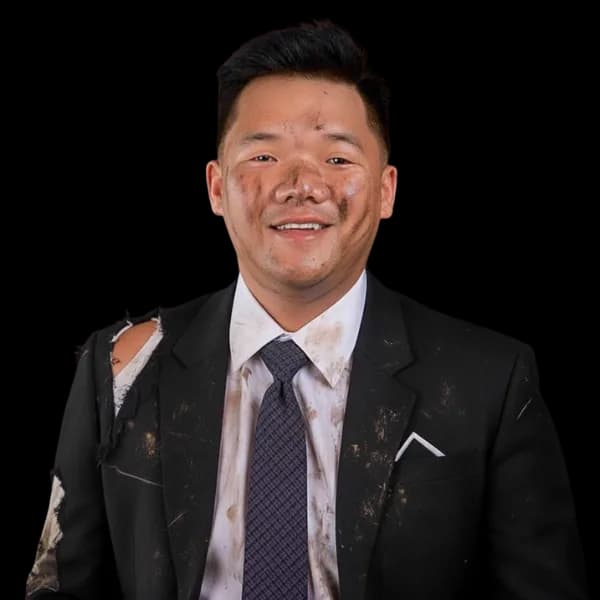
“Optimism isn't my nature; it's my rebellion.”
I set out to fix systems and broke a few more. Every mistake handed me another degree in humility — the kind you don't hang on a wall.
I've built, failed, hired wrong, and been wrong plenty. Every wrong turn taught me one thing: failure isn't the opposite of success — it's the fee. And money is logical. People aren't.
After enough wins and wipeouts, I stopped chasing "perfect" and started building what matters: people, purpose, and the kind of laughter no slide can explain. I still believe in people — not because it's easy, but because it's the only way any of this makes sense.
Turns out the best things I've built weren't companies — they were connections. Success feels lighter that way. Almost human.
The metrics, the impact, and the humans behind them
99 gave up along the way. 1 kept going — that math still counts as progress.
Every year taught me something no degree could. Success gave dopamine; failure built the muscle to try again.
Everyone said "too risky." I said "why not?" Some crashed spectacularly — all taught me to believe when others don't.
The best plans? Usually stubborn accidents. I eventually called them "strategy."
To keep trying, even when logic says stop. Because hope is a better fuel than fear.
I stopped chasing wins when I realized failure had better stories. The bruises fade, but the lessons don't.— Philosophy 101: Taught by life, graded by time.
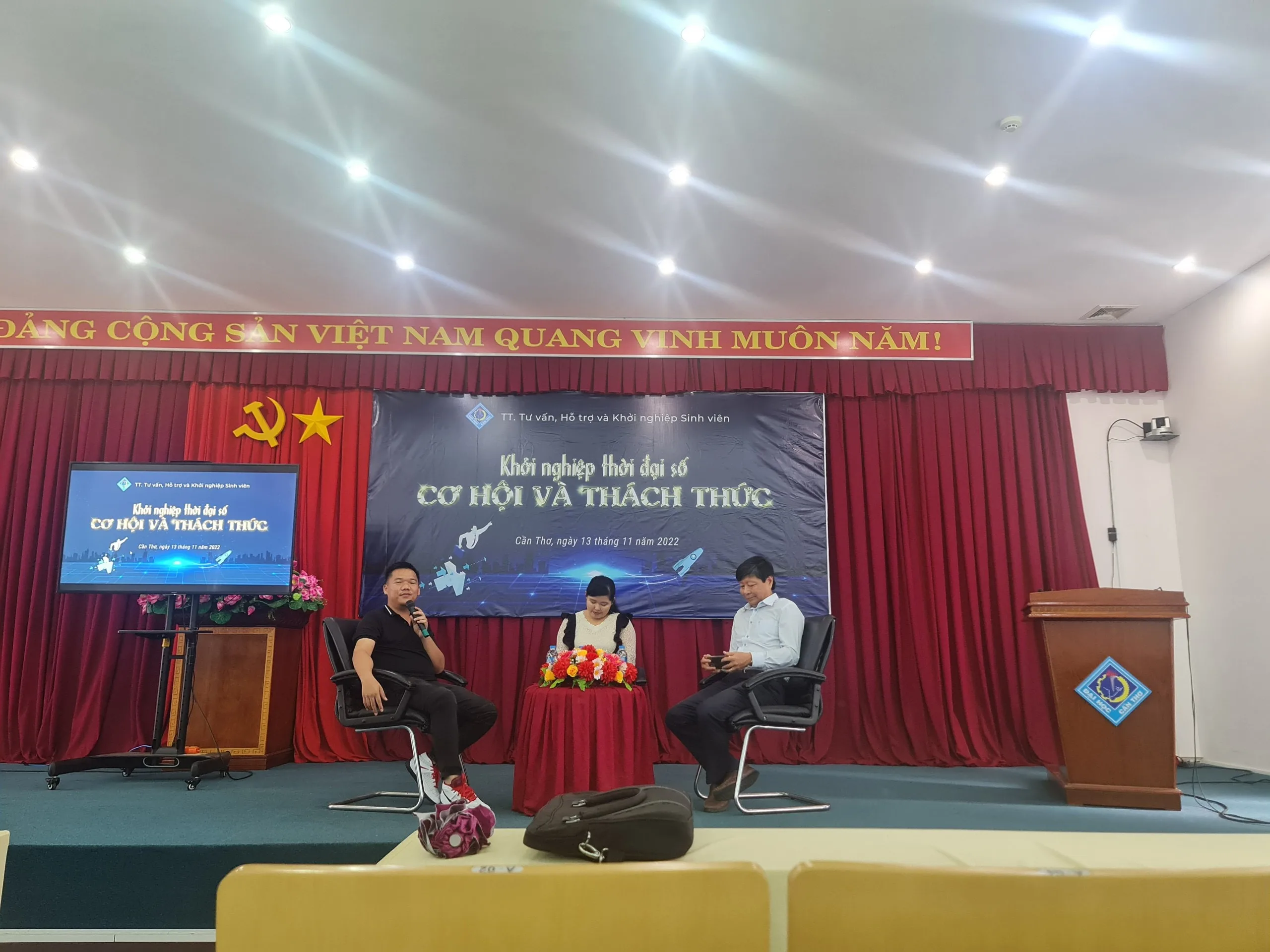
Someone once gave me a chance I didn't deserve. I promised I'd pass that luck forward — one person, one coffee, one "you've got this" at a time. Most won't remember me, and that's fine. I just hope they remember how it felt to be believed in.
Where academic achievements meet street-level bruises
Learned every model. Then watched reality ignore all of them.
Learned textbook strategies. Real business never read those books.
At least this one explains why I keep doing this to myself.
The compass that sometimes points north, sometimes spins wildly
Awkward truths age better than sweet lies. Failures or rare wins — better shared than hidden.
Falling forward still counts as motion. Every crash is just experience in disguise.
Failure taught me empathy; wins taught me gratitude. Climb higher, but leave a hand reaching down.
Words are auditions. Actions get the role. Talk less, show up more.
I research, implement, and teach AI adoption — not from a whiteboard, but from inside the mess. Here's what actually takes up my days.
Testing frontier models (Claude, GPT, Gemini) on real business problems. What works in demos rarely survives production — I run the experiments and document what holds up.
Automation pipelines that replace manual work without breaking what already runs. LLMs, APIs, and orchestration stitched to survive contact with real data.
The hardest part of AI adoption isn't the tech — it's deciding where humans stay in the loop. I help teams design that handoff.
If you're figuring out where AI fits — or how to implement it beyond the demo — let's compare notes. I'm still learning too, and honest talk beats polished pitches.
Start a ConversationI've stumbled enough to know progress rarely looks graceful. But if you're still here, odds are you believe — like I do — it's worth trying anyway. Let's make something real. Even if it explodes, at least it'll be interesting.